
The end of the EU de minimis rule changes the game for Amazon FBA brands moving stock across Europe. Duties and fees now apply to low-value shipments, forcing a rethink of your inbound flows, customs handling, and FBA dispatch. If you want to keep margins intact and avoid costly delays, it’s time to plan smarter. Here’s how to adapt your Amazon FBA Europe logistics with a partner headquartered just 45 km from key ports, ready to keep your goods moving without a hitch. For more details, visit this link.
Impact of EU De Minimis End
The end of the EU de minimis exemption marks a significant shift. Understanding these changes helps you prepare for new challenges in logistics.
Changes in EU Customs Reform
The EU’s decision to end the de minimis rule affects all low-value shipments entering from outside the EU. Previously, parcels valued under €150 were exempt from customs duty, but starting July 1, 2026, a flat customs duty of €3 per item applies. This change aims to modernize import procedures and improve compliance. Even with the Import One-Stop Shop (IOSS), these duties will still apply. National fees are also a reality, as Italy and Romania have already implemented their own handling fees. Brands need to adapt quickly to avoid disruptions.
Implications for Amazon FBA Logistics
Amazon FBA logistics face new hurdles due to the end of the de minimis rule. Higher landed costs will affect every order, not just high-value items. This can lead to customer dissatisfaction due to unexpected duties and potential delays. The need for precise tariff classification and duty calculation becomes critical. Brands that stock within the EU can ship without import duty, offering them a competitive edge. Evaluating your logistics strategy is essential to maintain efficiency and customer satisfaction.
Redesigning Stock Movement Strategies
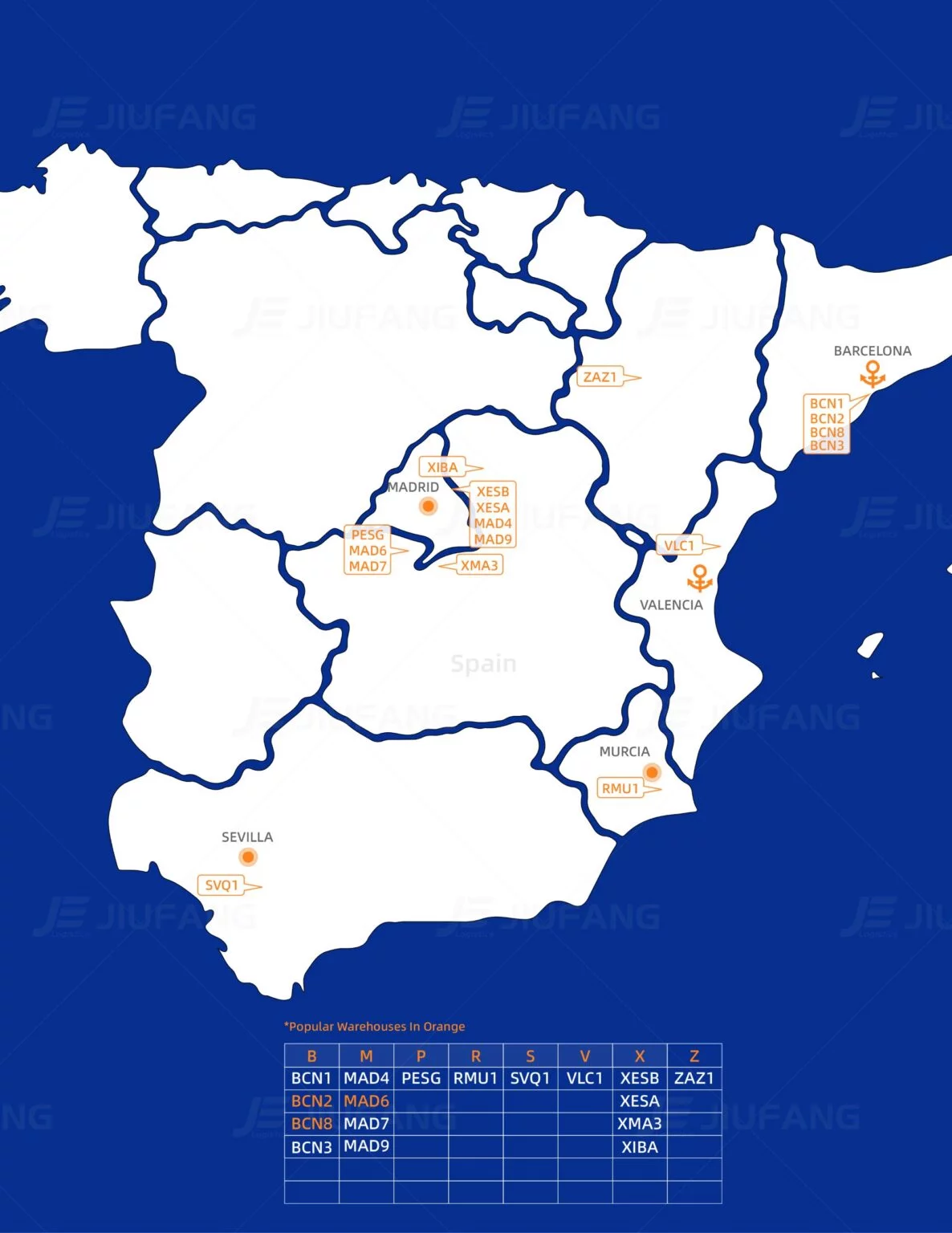
Rethinking your stock movement strategies can help you navigate the complexities of the new customs landscape.
Effective Inbound Drayage Netherlands
Inbound drayage is crucial in ensuring seamless logistics operations. By optimizing routes and transport schedules, you can reduce delays and improve cost efficiency. The Netherlands offers strategic advantages due to its proximity to major ports like Rotterdam and Antwerp. Utilizing bonded storage facilities in the Netherlands can help manage inventory more efficiently, reducing the impact of customs duties. This approach not only saves costs but also enhances your supply chain reliability.
Ensuring Amazon FBA Prep Compliance
Compliance with Amazon’s FBA requirements is more important than ever. This includes meeting labeling, packaging, and documentation standards. Failing to comply can result in shipment rejections and increased fees. Investing in professional FBA prep services ensures your inventory is properly prepared for Amazon fulfillment centers. These services help you avoid costly errors, ensuring a smooth and timely delivery process.
Leveraging KTL Europe’s Strategic Location
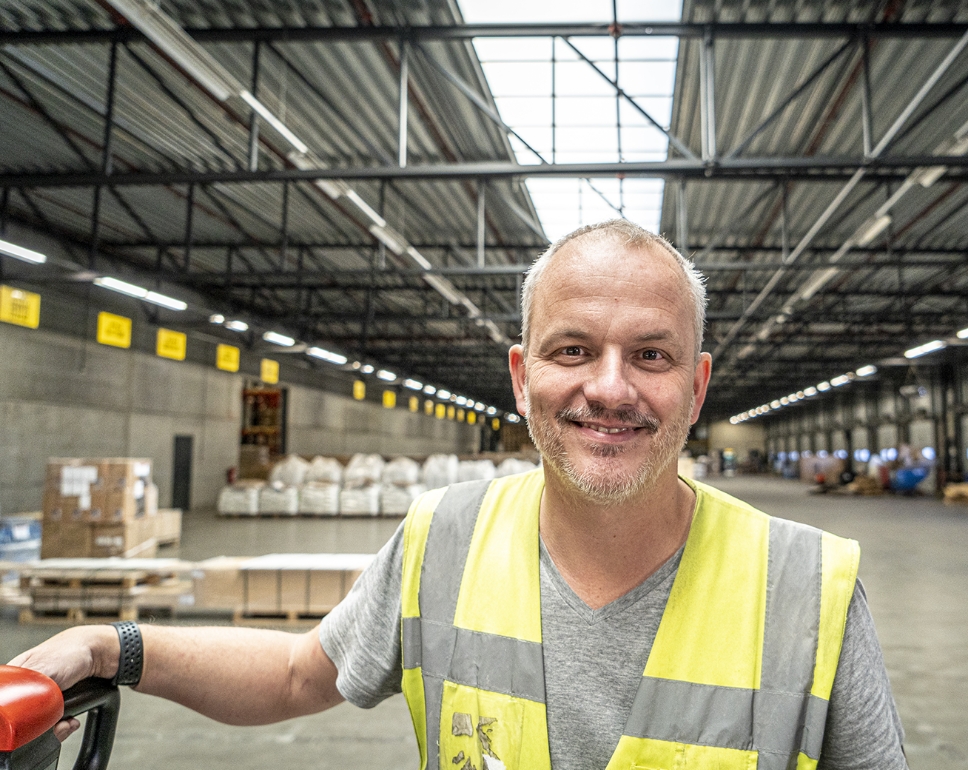
KTL Europe’s strategic location in Breda offers unparalleled advantages for Amazon FBA brands.
Advantages of Breda Logistics Hub
Breda is situated at the crossroads of Europe’s busiest logistics corridors, providing easy access to key markets. The hub’s proximity to the Port of Rotterdam and Antwerp enables faster and more cost-effective deliveries. With 244 million consumers within 1,000 km, Breda serves as an ideal base for expanding your reach in Europe. This central location helps minimize transit times and reduces shipping costs, giving you a competitive edge.
Antwerp Port Connections and Beyond
The Port of Antwerp plays a vital role in connecting your goods to the rest of Europe. Its extensive network facilitates efficient import and export operations. Leveraging these connections ensures quick and reliable distribution across the continent. By partnering with KTL Europe, you gain access to a well-established logistics network that guarantees seamless movement from the port to Amazon FBA centers. This strategic alliance helps maintain your supply chain’s integrity and boosts overall efficiency.
In conclusion, adapting to the end of the EU de minimis rule requires strategic planning and efficient logistics management. By redesigning stock movement strategies and leveraging KTL Europe’s strategic location, Amazon FBA brands can overcome challenges, protect margins, and ensure timely deliveries.